How Often Should You Repaint a House on the Gold Coast?
By the ArgenCoat Painting team · Updated 7 November 2026 · 6 min read
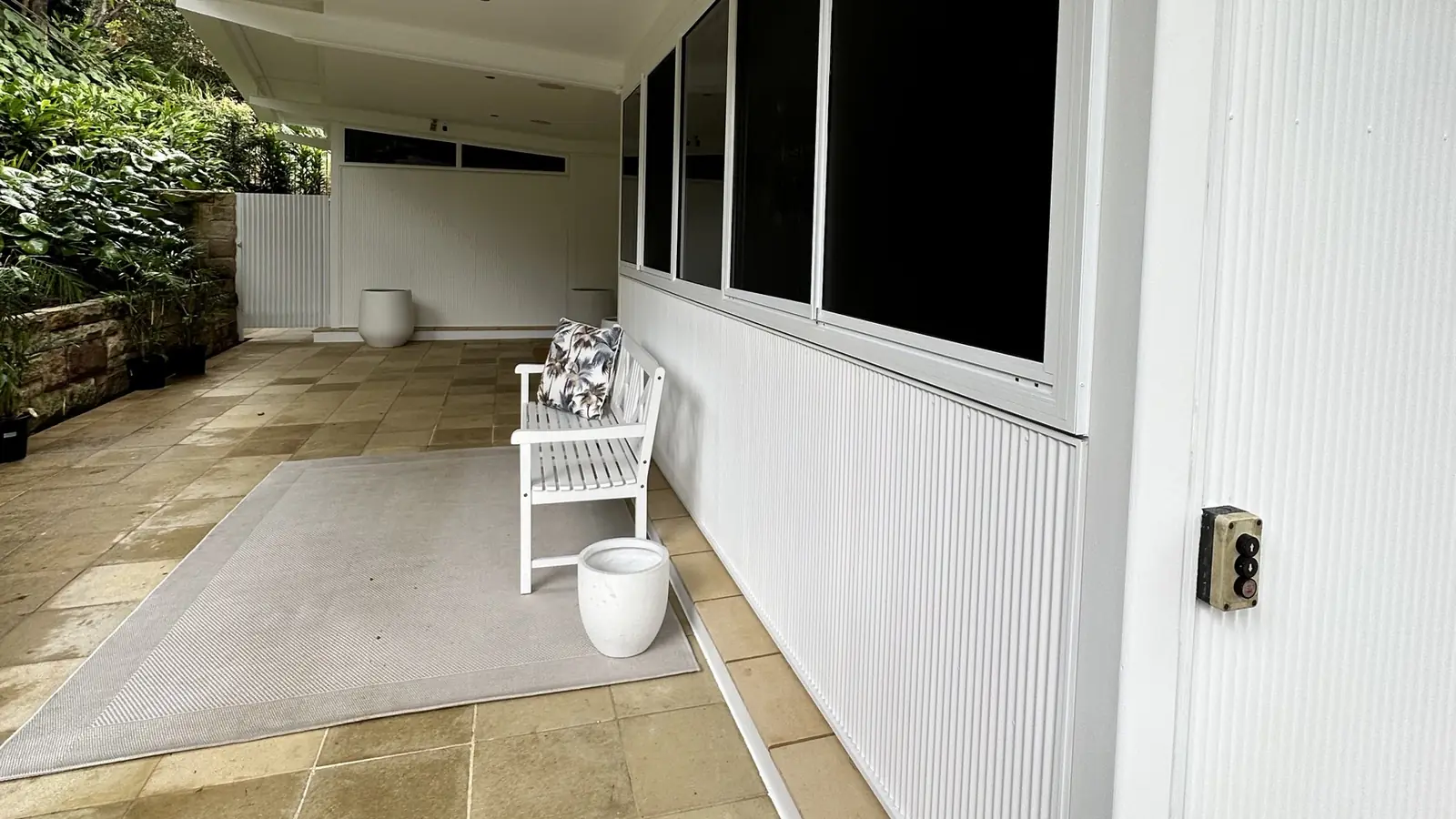
If you search for how often to repaint a house, you'll find answers ranging from every year to every fifteen. That's because there's no single number. A home a few kilometres inland, painted well and in good shape, can go a long time between repaints. A beachfront home with salt, sun and storms hitting it year-round cannot. Condition, exposure and the quality of the original job matter more than the calendar.
What decides the timing
- Exposure. Distance from the beach, wind direction and how much salt reaches the walls.
- Sun and aspect. North- and west-facing walls take the most UV and fade or chalk first. Dark colours absorb more heat and tend to age faster.
- The surface. Render, timber, weatherboard, fibre cement and metal all weather differently.
- Preparation and paint quality. A good coating over a clean, sound surface lasts far longer than the same paint over dirt, mould or loose old paint.
- Maintenance. Regular washing and fixing small defects early extend the life of the paint.
Rough guides (not rules)
- Exteriors well inland: often around 7 to 10 years between repaints.
- Exteriors near the coast: often sooner. Some painters suggest as little as 3 to 5 years close to the surf, and many recommend inspecting every year or two.
- Interiors: commonly 5 to 10 years, with kitchens, bathrooms, hallways and kids' rooms sooner.
These are broad ranges quoted by painters across Australia. Treat them as a starting point and let your home's condition make the call.
Signs your exterior is due
- Fading and chalking. Rub a dry hand across the wall. If it comes away with a chalky powder, the paint film is breaking down.
- Peeling, flaking or blistering. The paint is losing its grip and letting moisture in.
- Cracking or crazing. Fine cracks in the paint film, or cracks in render, let water reach the surface.
- Mould and mildew. Black or green growth, especially on shaded, damp sides.
- Bare, grey or rough timber. Unprotected timber weathers and rots.
- Rust streaks. Staining around fixings, gutters and metal work.
- Salt film or staining. A gritty residue on walls facing the ocean.
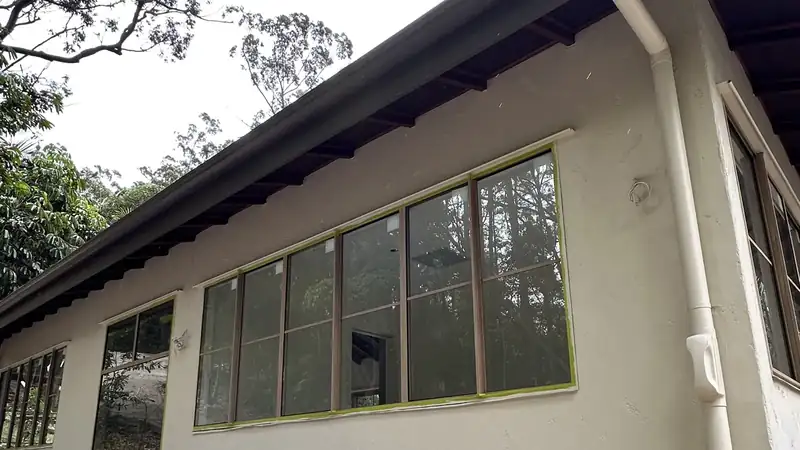
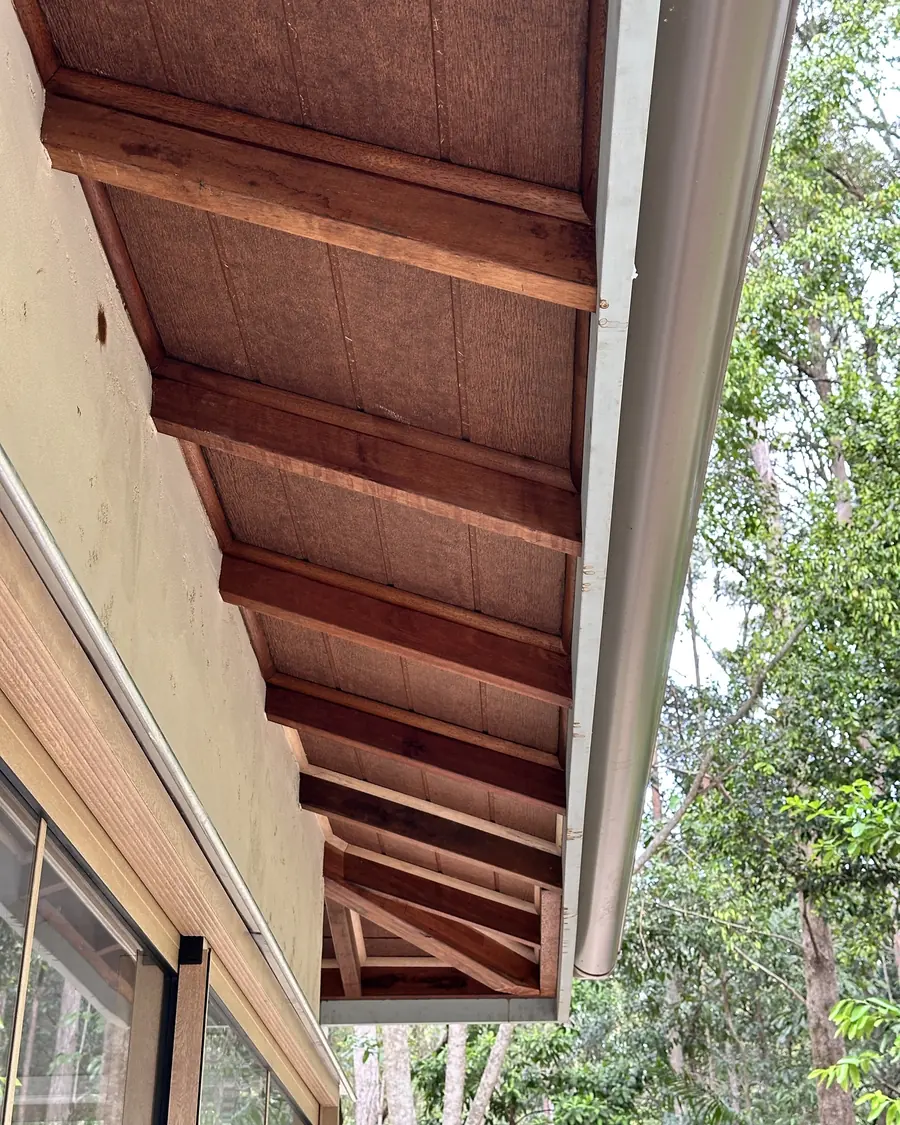
- Paint lifting at edges. Eaves, fascias, sills and window frames are often the first to go.
A ten-minute walk-around inspection
- Choose a dry day and walk the whole house, starting with the walls that face the ocean or take the afternoon sun.
- Look at eaves, fascias, gutters and downpipes, then window sills, frames and doors.
- Check rails, decks and fences, plus the lower wall near gardens and sprinklers where water splashes.
- Photograph any problem spots so you can compare again in six months.
- If you find peeling, bare timber or damp, get a painter to look at it sooner rather than later.
Why waiting usually costs more
Paint is the house's raincoat. Once it breaks down, water reaches timber, render and fixings. Rotting timber has to be replaced, render has to be repaired, and a job that could have been a recoat becomes a repair-and-repaint. Repainting while the coating is still mostly sound is generally the cheaper path.
Simple maintenance that buys you time
- Wash the exterior at least once a year (more often near the coast) to remove salt, dirt and mould. Use suitable pressure and don't force water behind laps or into timber joints.
- Keep gutters and downpipes clear so water doesn't run down the walls.
- Trim plants away from walls so they don't hold moisture against the surface.
- Touch up chips and fix small cracks and gaps early.
When to paint on the Gold Coast
Painters want dry, stable weather and moderate temperatures so the paint can cure properly. In South East Queensland that is usually easier in the cooler, drier months than in the humid, stormy summer, although good windows come up all year. A professional will plan around the forecast and drying times rather than rushing a job into bad weather.
What about interiors?
Interior walls don't weather, but they scuff, stain and yellow. It's time to repaint when marks won't wash off, colours look dull or tired, you've had a leak or mould, or you're getting a property ready to sell or lease. Kitchens, bathrooms and hallways usually need it first. If you're preparing for a painter, see how to prepare your home before the painters arrive.
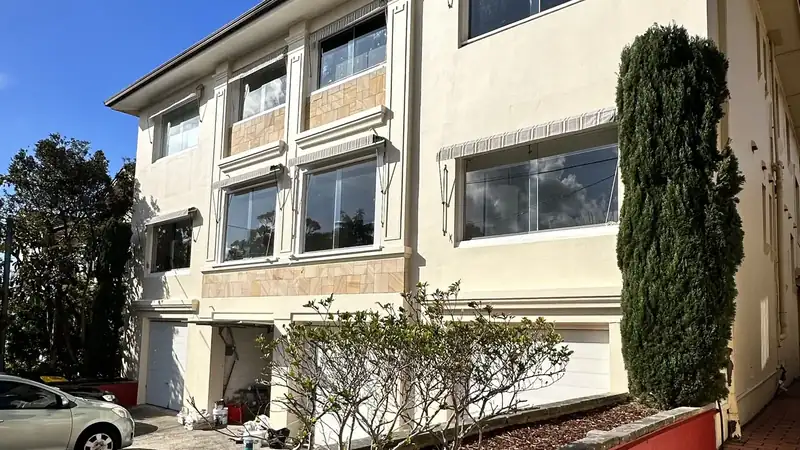
Strata buildings and commercial premises usually plan repaints in maintenance cycles. Our guide to how a strata repaint works covers the process.
Frequently asked questions
Does more expensive paint last longer?
Quality exterior paint and proper preparation usually give better durability, but preparation matters most. Even the best paint fails on a dirty, damp or loose surface.
Can I repaint just the worst walls?
Sometimes. But differences in fade and sheen can show between old and new areas, so ask a painter whether a full repaint or a section recoat will look better.
Is it worth repainting before selling?
A tidy repaint is one of the simplest ways to lift how a property presents. A painter can advise which areas matter most.