How to Choose a Commercial Painter: A 10-Point Checklist
By the ArgenCoat Painting team · Updated 7 November 2026 · 7 min read
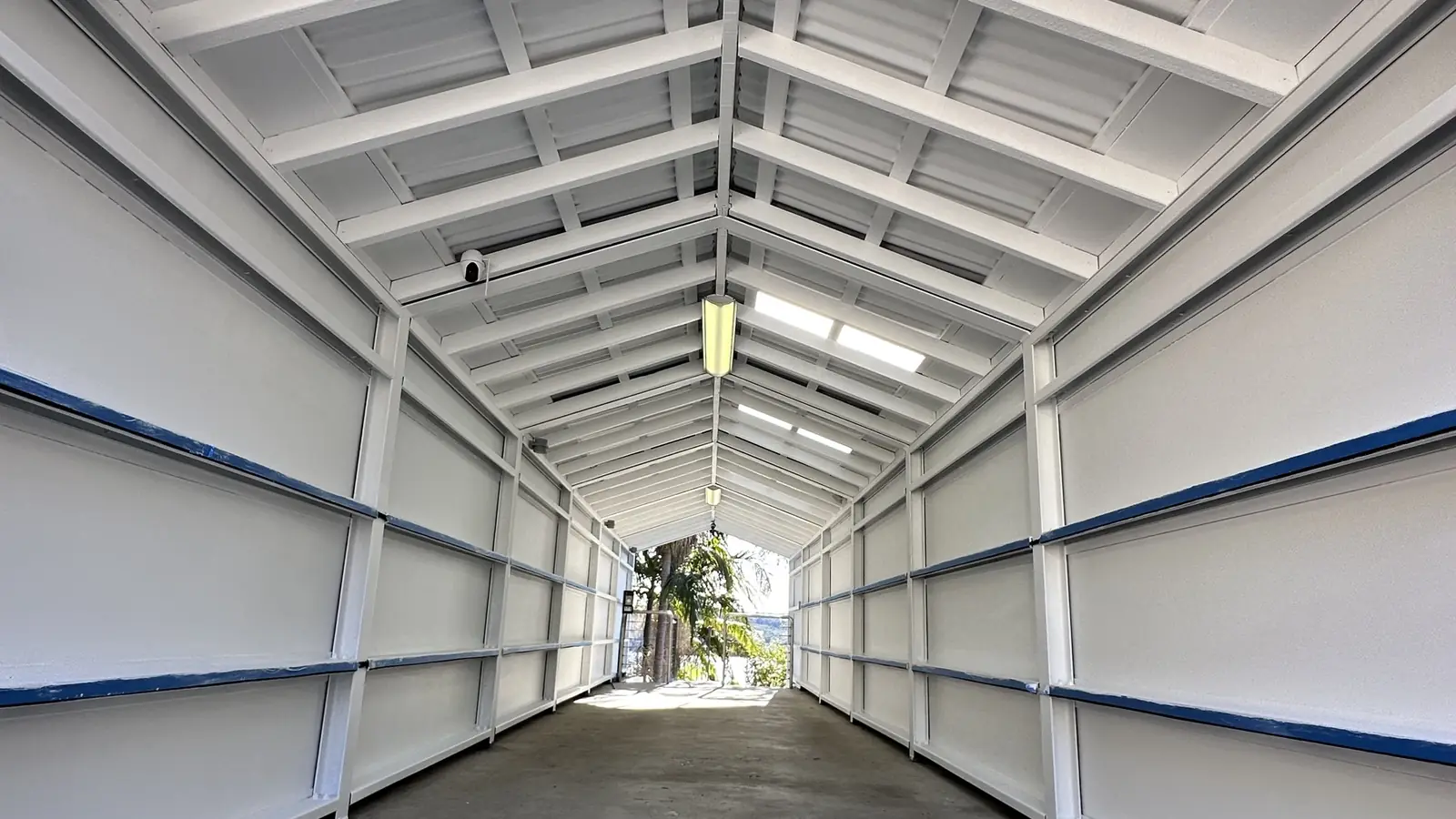
Painting a shop, office or commercial building isn't the same as painting a home. There are staff and customers to work around, fittings and stock to protect, trading hours to respect, and often a landlord, building manager or lease to satisfy. Use this checklist to compare painters on what really matters, not just on the headline price.
1. Experience with similar premises
Ask what kinds of commercial jobs the painter has done: retail, offices, hospitality, medical, new builds. Ask to see photos and, ideally, speak to a past client. A painter who has worked in occupied premises will already know how to plan around people.
2. Licence and insurance
In Queensland, painting and decorating contractors are regulated by the Queensland Building and Construction Commission (QBCC), which lets you check a contractor's licence on its online register. Whether a licence is required depends on the type and value of the work, so ask the painter and verify it. Ask for current certificates for public liability insurance and workers' compensation, and check the dates.
3. Safety
Commercial sites have more safety requirements. Ask how the painter manages working at heights, ladders and access equipment, wet-paint signage, and protecting the public. A professional can describe their safe work method and will follow your site rules and induction.
4. A written scope
The quote should list exactly what's included: areas, surfaces, preparation, repairs, number of coats, products and colours, and what's excluded. Vague one-line quotes make comparison impossible and invite arguments later.
5. A plan for trading hours
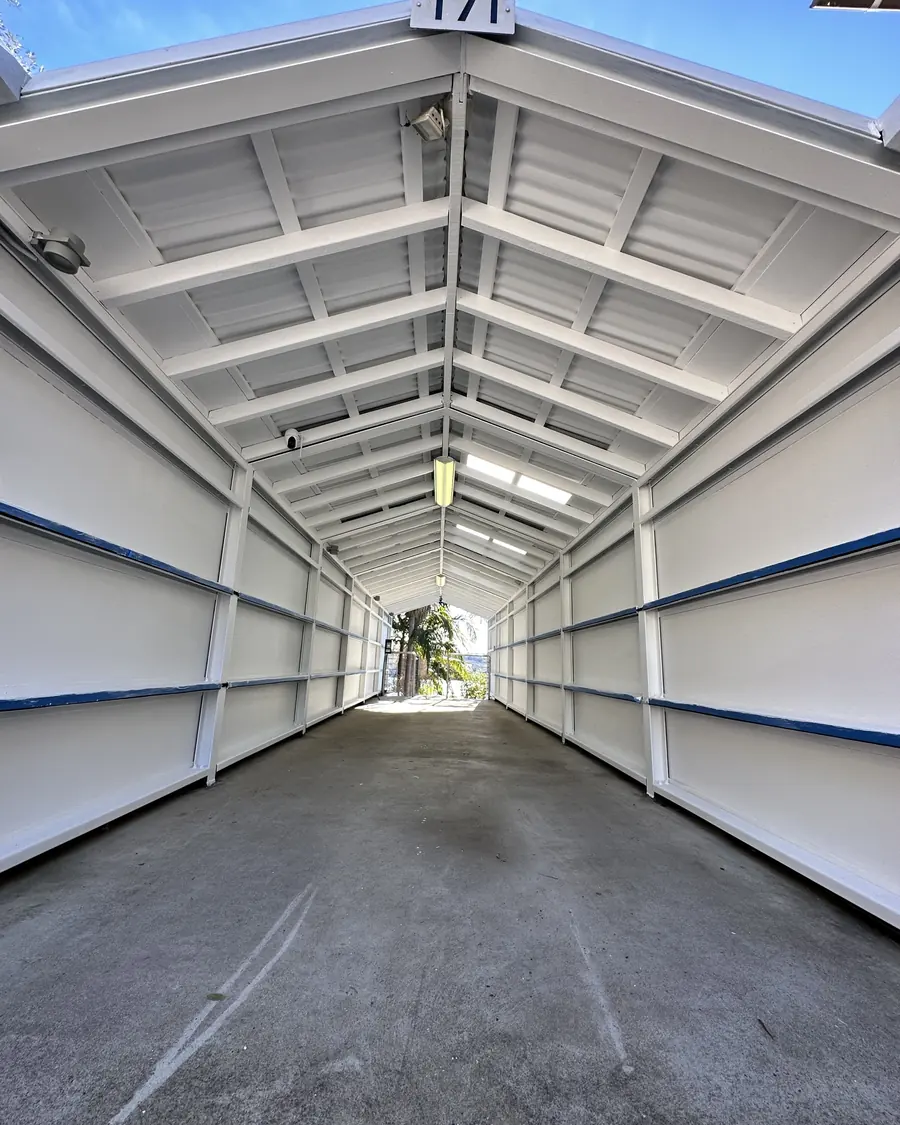
Ask how the work will fit around your business. Options include after-hours or weekend work, staged sections, and keeping entrances and customer areas clear. Ask how they'll protect fittings, stock and equipment, handle keys and alarms, and manage noise and odour (low-odour paints can help in occupied buildings).
6. Timeline and milestones
You need a start date, a finish date and a sequence. For exterior work, ask how weather delays will be handled. A realistic program with a single point of contact is a good sign.
7. Communication
Who will be on site each day? Who do you call with a problem? Good commercial painters give you one contact and keep you updated, rather than leaving you to chase.
8. Products and warranty
Ask which coatings will be used and why they suit the surface and the traffic. Commercial areas take more wear, so durability and washability matter. Get any workmanship warranty in writing, including what it covers and for how long.
9. Comparable quotes
Give every painter the same brief so the quotes can be compared like for like. Be cautious of a price far below the rest, a quote with no scope, a very large upfront deposit, or pressure to sign quickly.
10. Approvals and lease obligations
Check whether you need approval from your landlord, centre management or body corporate before work starts, and whether your lease requires particular colours or a return to the original condition at the end of the term. A good painter will ask you about this too.
A quick questions list
- Can I see recent work and speak to a past commercial client?
- Can you provide your insurance certificates and licence details?
- How will you work around our trading hours and protect our fittings?
- What is included and excluded in the price?
- What is the timeline, and what happens if weather or access causes delays?
- What warranty do you provide, and how are defects handled?
Frequently asked questions
Can commercial painting be done outside trading hours?
Often, yes. After-hours and weekend work, or staged sections, can keep disruption low. Discuss access, security and noise with the painter up front.
How long does a commercial repaint take?
It depends on the size, the amount of preparation and the access. Ask for a written timeframe in the quote rather than a verbal estimate.
Do I need to move our stock and furniture?
Often the painter and your team agree what is moved and what is protected in place. Settle this in the scope so there are no surprises on the day.