Render Painting vs Texture Coating: Which One Does Your Home Need?
By the ArgenCoat Painting team · Updated 7 November 2026 · 6 min read
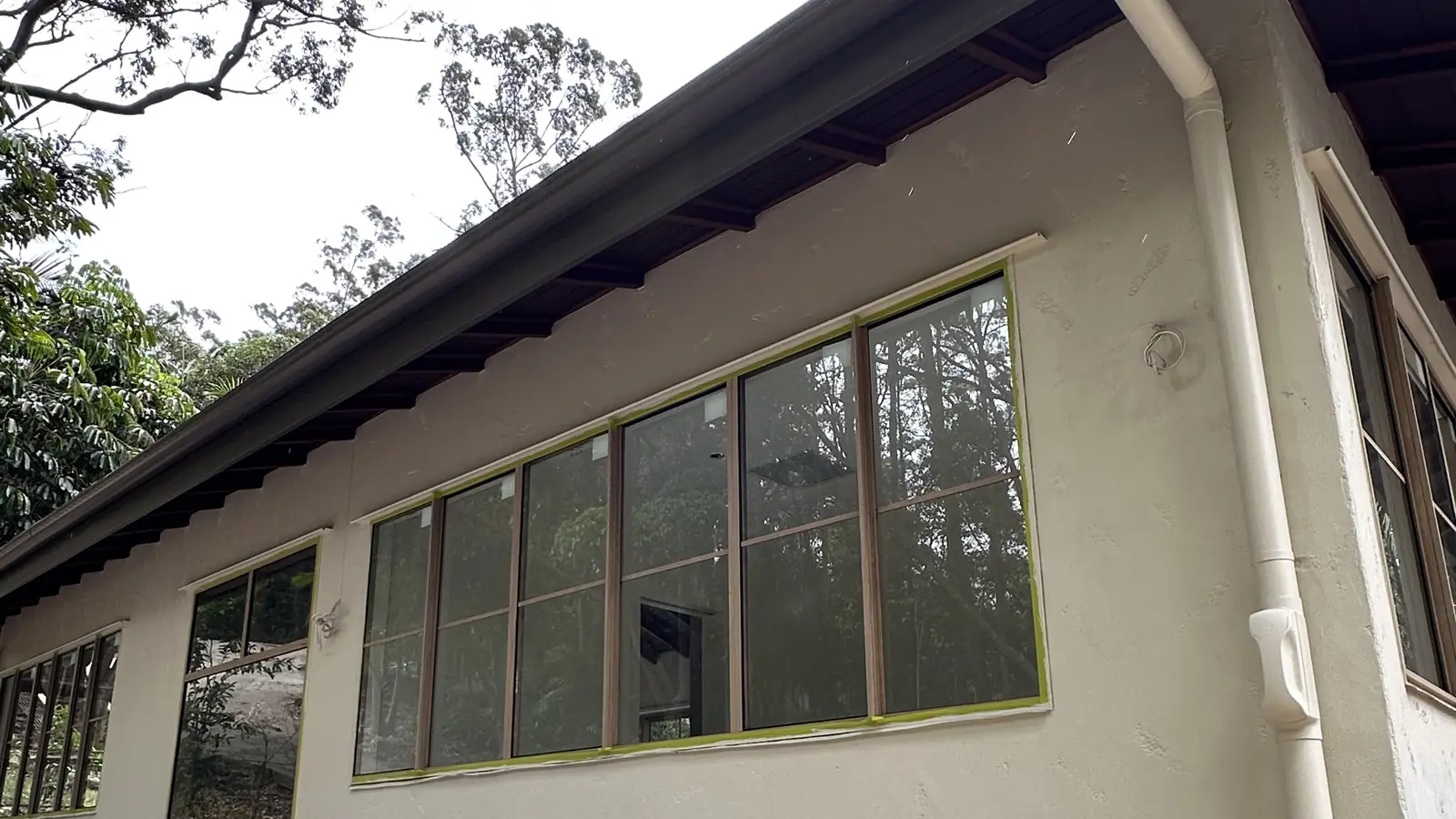
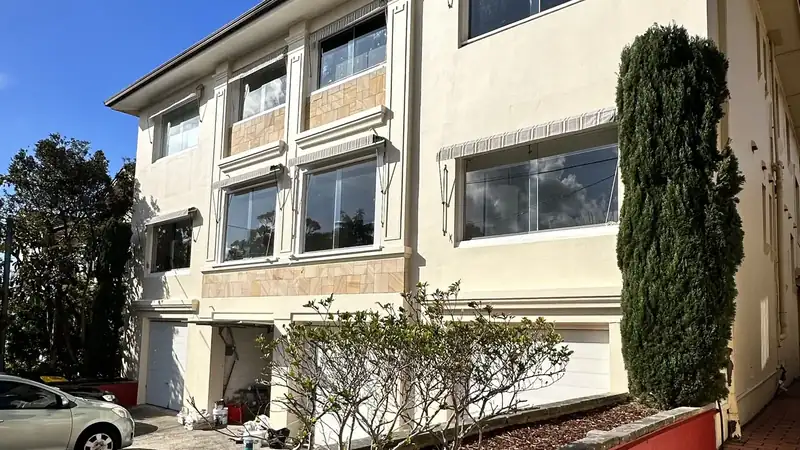
Walk down almost any Gold Coast street and you'll see rendered walls: brick or block homes finished with a smooth or lightly textured coating, then painted. When that finish starts to look tired, owners usually ask the same question: should we simply repaint the render, or put a texture coating over it? The honest answer depends on the condition of the wall underneath. This guide explains the difference and how to decide.
First, what's the difference?
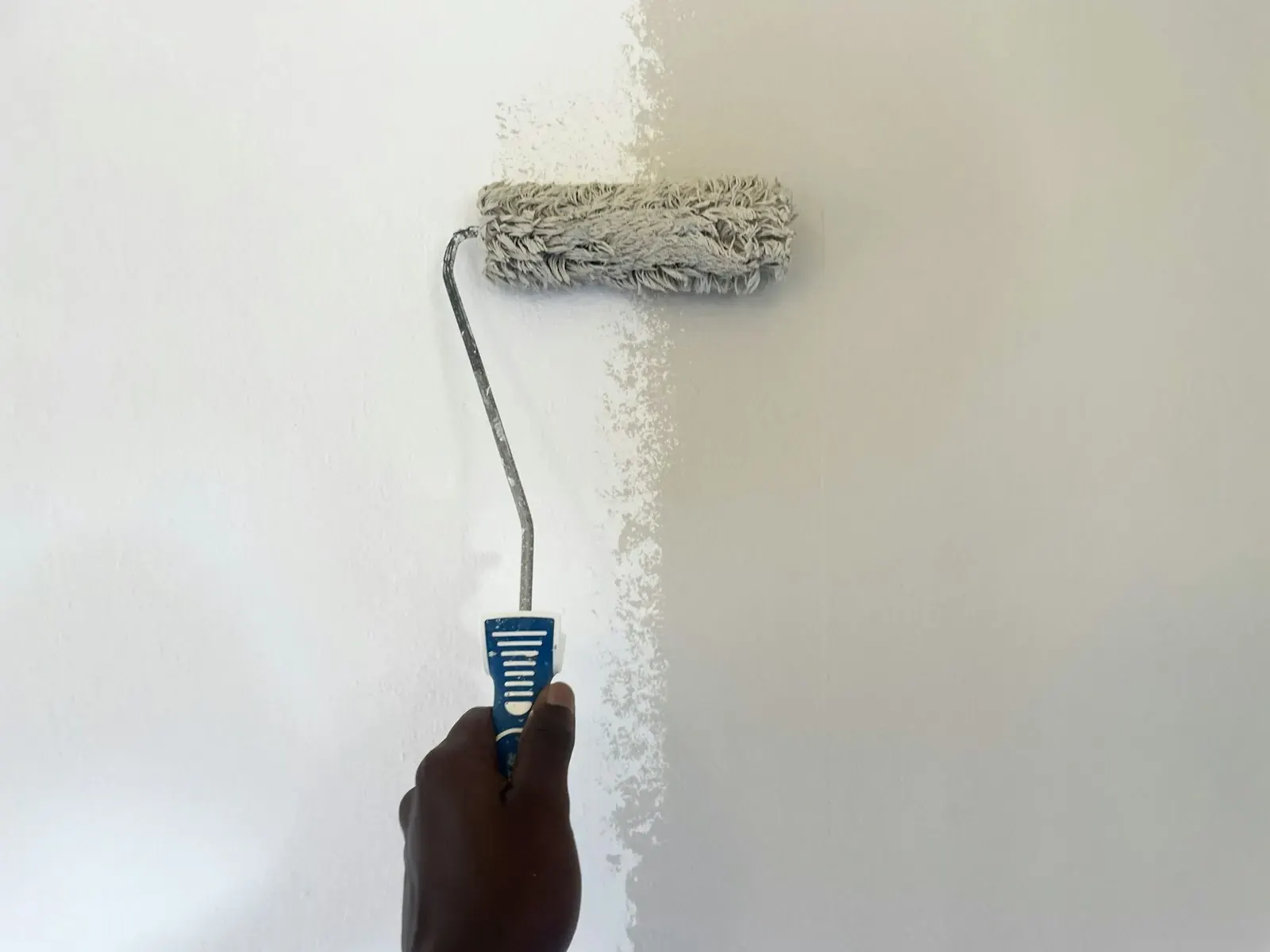
Render is the wall surface itself: a cement-based (or acrylic-modified) layer trowelled onto brick, block or concrete to level it and give a finished face, smooth or textured. Paint is a thin protective and decorative film that sits on top of the render. A texture coating is a thicker, usually acrylic-based finish with fine aggregate in it, applied by roller or spray over a sound surface. It gives a textured look, is generally more flexible than paint, and can bridge hairline cracks.
Product ranges and names vary between manufacturers, so a good painter matches the system to your wall rather than following a one-size-fits-all rule.
When repainting is enough
A repaint is usually the right call when the render itself is sound and the problem is the paint: fading, chalking, mould on the shady side, or simply a colour you no longer like.
- The render is firmly attached (no hollow sound when tapped) and has only minor hairline cracks.
- The existing paint is mostly intact, with some fading or chalking.
- You want a clean, fresh colour change without changing the look of the surface.
- You want the most straightforward, lowest-effort option.
The work is in the preparation: washing, repairing cracks and damaged patches, treating mould, sealing or priming where needed, then two coats of a quality exterior paint.
When a texture coating makes sense
A texture coating is worth considering when the render is sound but looking patchy and worn, with lots of fine cracks or blemishes that a flat coat of paint would not hide.
- The surface has many hairline cracks or uneven patches.
- You want to refresh and unify an older rendered wall.
- You like a textured finish and a more durable-feeling film.
- The wall underneath is solid, dry and well attached.
In effort and cost, a texture coating typically sits between repainting and re-rendering. It refreshes the wall without rebuilding it, but it is not a repair: it needs a sound surface underneath.
When neither will do
Some problems need fixing before any paint or coating goes on:
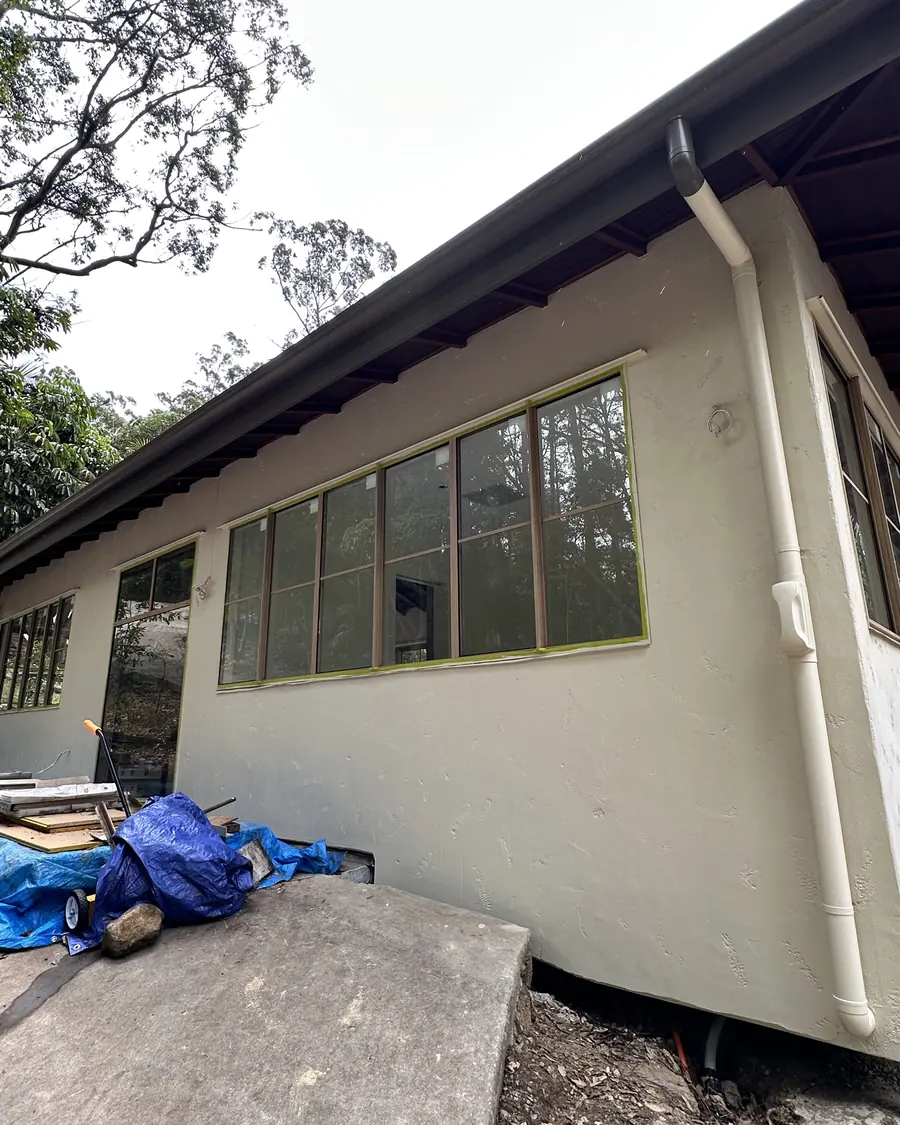
- Hollow or drummy render. If tapping sounds hollow, the render has lost its bond. The loose areas have to come off and be repaired first.
- Large or moving cracks. Cracks that keep opening, or that step along mortar lines, point to movement and should be assessed before any cosmetic work.
- Moisture. Damp, bubbling or white salt deposits (efflorescence) mean water is getting in. Paint over it and the finish will fail again.
- Failing old coatings. Heavily peeling layers need removing back to a sound edge.
A reputable painter will tell you honestly if the wall needs another trade (such as a renderer) before painting. That is better than a quote that quietly ignores the problem.
Quick comparison
| Repaint the render | Texture coating | Re-render | |
|---|---|---|---|
| Best for | Sound render that has faded or needs a new colour | Sound but tired, patchy or finely cracked walls | Walls that are uneven, hollow or failing |
| Surface needed | Sound and well attached | Sound and well attached | Any (failed render removed first) |
| Hides imperfections | Very little | Fine cracks and blemishes | Resets the surface |
| Look | Same surface, new colour | Textured finish | New smooth or textured face |
| Relative effort and cost | Lowest | In between | Highest |
How the job is done
- Inspect. Tap-test the render and look for cracks, damp, mould and failing paint.
- Clean. Wash the walls to remove dirt, salt and mould, using suitable pressure so the surface isn't damaged.
- Repair. Fill cracks, patch damaged areas and deal with the cause of any moisture.
- Seal or prime. Use the primer or sealer that suits the surface.
- Apply the finish. Paint or texture coating, in suitable weather and following the manufacturer's coverage and drying times.
If the render is brand new, it has to cure fully before it's painted. Follow the manufacturer's advice, which is commonly several weeks.
The Gold Coast factor
Salt air, strong UV, humidity and summer storms are hard on any exterior finish. Shaded walls grow mould, sun-baked walls chalk and fade, and walls near the beach collect salt. Whichever finish you choose, regular washing (many painters suggest at least once a year near the coast) helps it last, and small problems are cheaper to fix early. Our guide on how often to repaint a house on the Gold Coast covers the warning signs.
Questions to ask your painter
- How will you check the condition of the render before quoting?
- What preparation is included, and how will cracks and damp be handled?
- Which products will you use, and why do they suit my wall?
- How many coats are included?
- What is the weather plan, and what warranty applies to the work?
Frequently asked questions
Can you paint over a texture coating?
Yes, once it's clean and sound. The painter should use a paint system that suits both the texture coating and the exposure.
Can I paint over old paint on render?
Usually yes, if the old paint is well attached. Loose or peeling paint has to be removed and the edges feathered first.
Will a texture coating fix cracks?
It can help hide and bridge fine hairline cracks. It won't fix structural movement or moisture problems.