What Should a Painting Quote Include? A Buyer's Checklist
By the ArgenCoat Painting team · Updated 7 November 2026 · 6 min read
Get three painting quotes and you may get three very different prices. Usually the difference isn't greed or bargains. It's that the quotes describe three different jobs. A good quote tells you exactly what you're buying, so you can compare like with like. Here's what to look for.
Why quotes vary so much
- Scope. One includes ceilings, doors and trims, another only the walls.
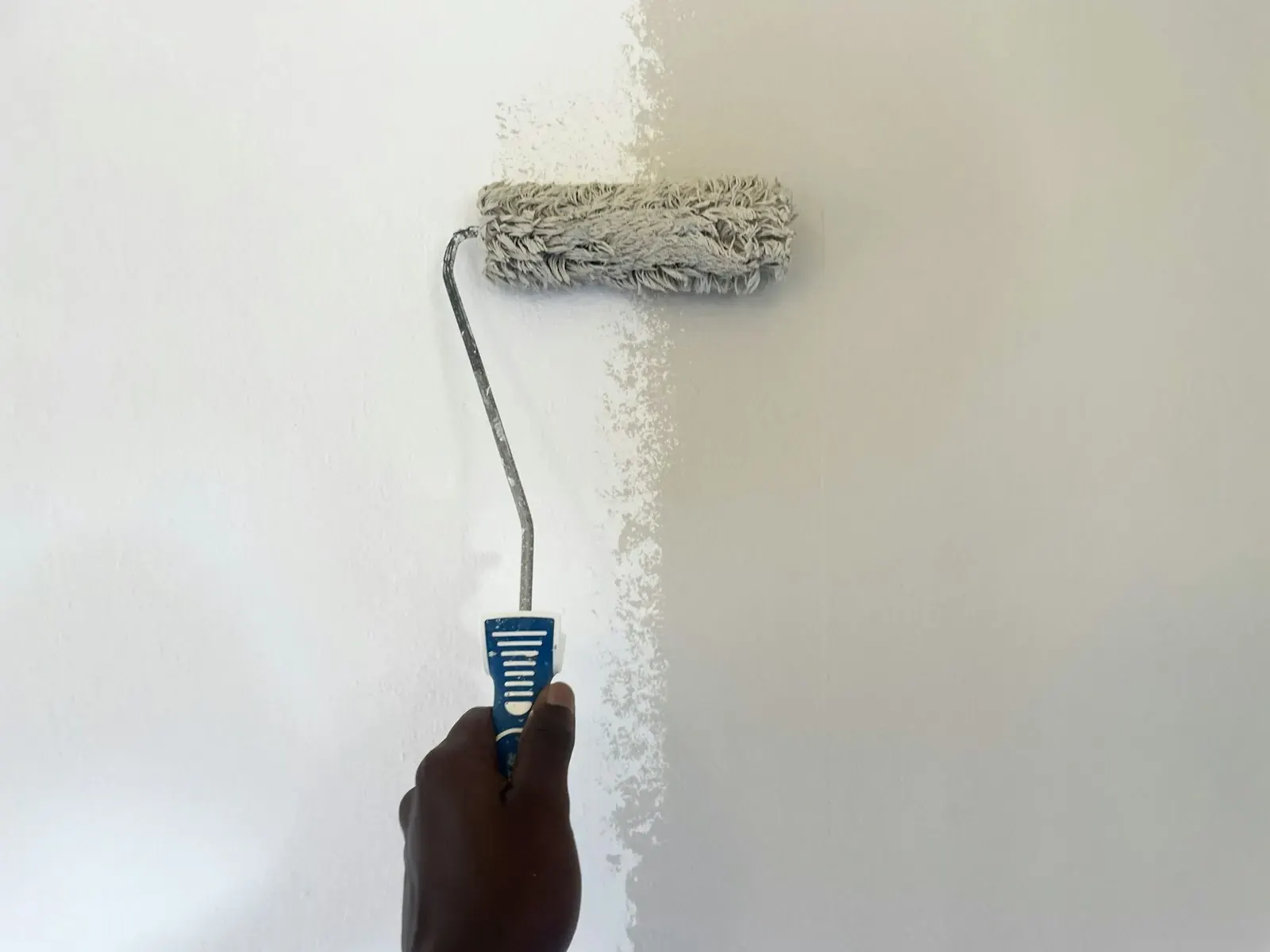
- Preparation. Thorough washing, filling and sanding take time. Skipping them is the easiest way to lower a price.
- Coats and products. Two coats of a quality paint costs more than one coat of a basic one.
- Access. Ladders, scaffolding and working at heights change the job.
- Protection and clean-up. Covering floors and furniture and leaving the site tidy take effort.
What a good quote includes
- Your details and the address, and the date of the quote.
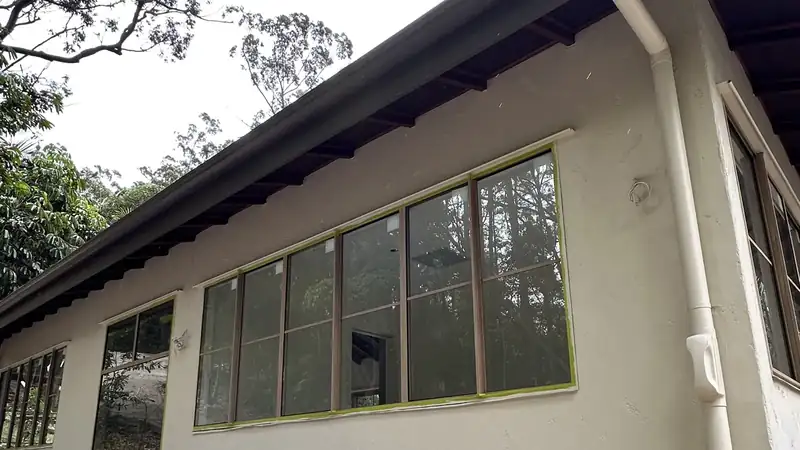
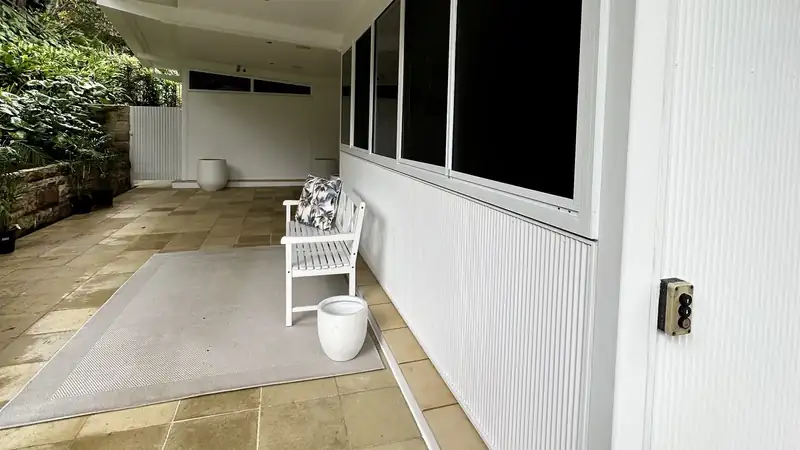
- Areas and surfaces to be painted: rooms, walls, ceilings, doors, frames, skirting boards, eaves, fascias, fences and so on.
- Preparation and repairs: washing, scraping, filling, sanding, mould treatment, sealing or priming.
- Protection: how floors, furniture, fittings and surroundings will be covered.
- Products: the paint brand and range, the sheen and the colours, plus the number of coats.
- Access: ladders, scaffolding or other equipment, where relevant.
- Timeframe: start date, expected duration and how weather delays are handled.
- Price: a clear total, whether GST is included and when payments are due.
- Inclusions and exclusions, and how extra work will be priced and agreed in writing.
- Insurance and licence details, where applicable.
- Warranty and after-care: what is covered and for how long.
- Clean-up: removal of rubbish and a final walk-through.
Red flags
- A one-line price with no scope or list of inclusions.
- A price far below the rest. Ask what has been left out.
- A large upfront deposit or pressure to sign on the spot.
- No mention of preparation, number of coats or products.
- Reluctance to provide insurance details, references or photos of past work.
- Only a verbal quote.
In Queensland, the QBCC publishes guidance on contracts and payments for building work. If your job is large, it is worth checking what applies.
How to compare three quotes
| Check | Quote A | Quote B | Quote C |
|---|---|---|---|
| Areas and surfaces listed | |||
| Preparation described | |||
| Paint brand, range and sheen | |||
| Number of coats | |||
| Timeframe | |||
| Warranty | |||
| Total price (GST stated) |
Fill the table in for each quote. Gaps show you where the quotes aren't comparable, and the questions to ask each painter.
Questions to ask before you say yes
- Is everything we discussed included in this price?
- How will you prepare the surfaces, and how long will that take?
- Which products will you use, and how many coats?
- What is the start date and how long will the job take?
- What happens if we want to change or add something?
- What warranty is provided?
Frequently asked questions
Is the cheapest quote usually the best?
Not necessarily. A low price may leave out preparation, coats or protection. Compare scope first, then price.
Should I pay a deposit?
Payment terms vary. Be cautious of large upfront payments, and make sure the payment schedule is written in the quote.
Can a quote change?
A fixed quote can change if the scope changes, for example when hidden damage is found. Ask how extras will be priced and agreed before any extra work begins.